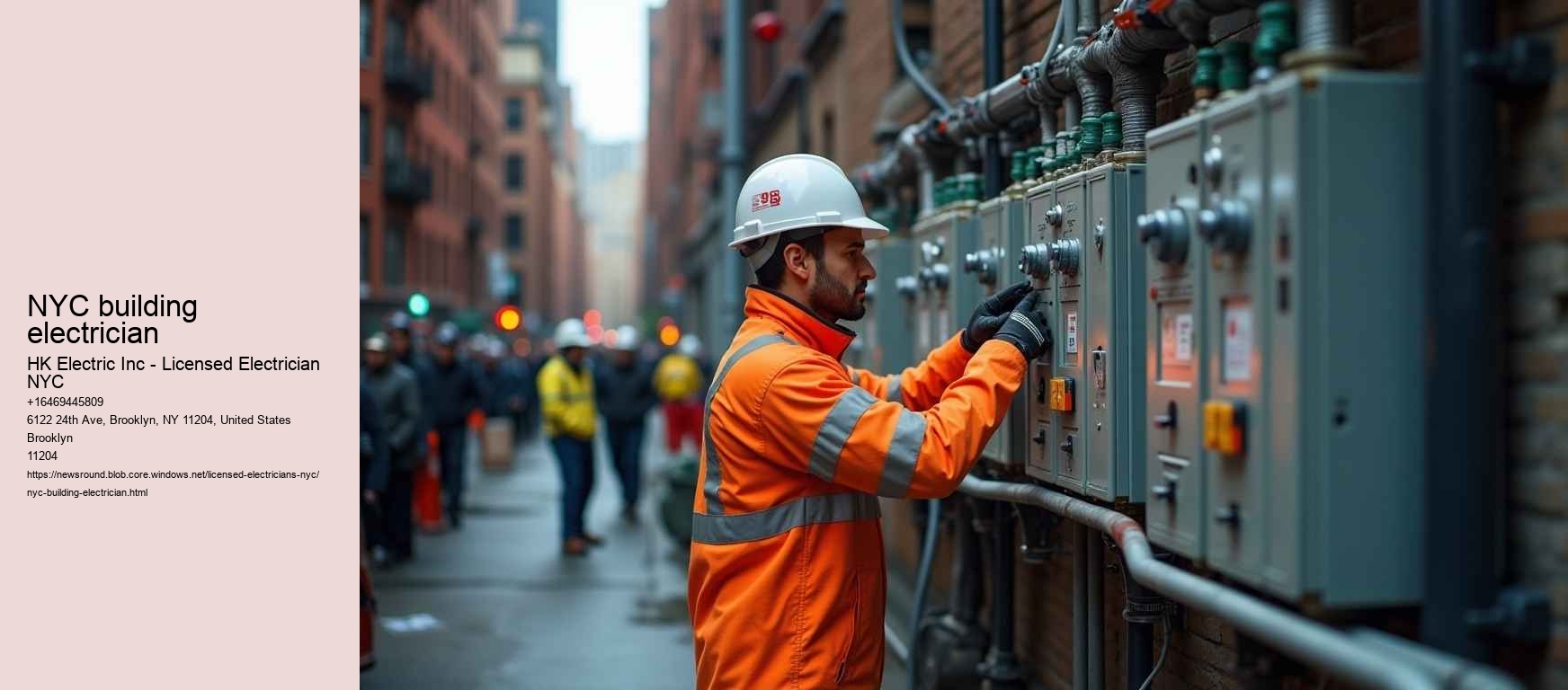
Responsibilities of a Building Electrician in NYC
Being a building electrician in New York City is more than just twisting wires and flipping switches. Its about keeping the lifeblood of the city flowing, ensuring that homes, businesses, and everything in between have the power they need to function. Think of it as being a vital organ in the citys body, and youre responsible for making sure that organ is healthy and working correctly.
One of the primary responsibilities is installation. That could mean wiring a brand new apartment building from the ground up, installing complex lighting systems in a commercial space, or simply adding an outlet in someone's living room. But its not just about connecting wires; its about following strict codes and regulations. NYC has some of the most demanding electrical codes in the country, and a building electrician needs to know them inside and out to ensure everything is safe and up to standard. A mistake can have serious consequences, from power outages to fires.
Beyond installation, theres maintenance and repair. Imagine the sheer number of electrical systems operating across the five boroughs. Things inevitably break down. From flickering lights and faulty outlets to complete power failures, building electricians are the first responders, diagnosing problems and implementing solutions quickly and efficiently. This requires a sharp troubleshooting mind, the ability to read blueprints, and a knack for finding the source of a problem even when its hidden behind walls or buried deep within a buildings electrical infrastructure.
Then theres the crucial aspect of safety. Safety is paramount in this profession. Working with electricity is inherently dangerous, and a building electrician is responsible for protecting themselves and others from potential hazards. lighting This means wearing the right protective gear, following established safety protocols, and constantly being aware of the risks involved. It also means educating building occupants about electrical safety and ensuring that systems are installed and maintained in a way that minimizes the risk of accidents.
Finally, theres staying up-to-date. The field of electrical work is constantly evolving, with new technologies and techniques emerging all the time. A good building electrician needs to be a lifelong learner, constantly seeking out new knowledge and skills to stay at the forefront of their profession. This might involve attending workshops, taking courses, or simply staying informed about the latest developments in the industry.
In short, being a building electrician in NYC is a demanding but rewarding job. It requires technical expertise, problem-solving skills, a commitment to safety, and a dedication to continuous learning. Its a job that directly impacts the lives of millions of New Yorkers, ensuring that they have the power they need to live, work, and thrive in this vibrant city.
Required Skills and Qualifications
Okay, so youre thinking about becoming a building electrician in the Big Apple? Thats a solid career choice, but lets be real, its not just about knowing how to change a lightbulb. NYC building electricians are the unsung heroes keeping the lights on, the power flowing, and the buildings safe. So, what does it really take to land one of those gigs?
First off, you absolutely need to be a licensed electrician in New York City. Thats non-negotiable. Think of it as your entry ticket to the game. This involves completing a recognized apprenticeship program, racking up the required work hours, and passing a pretty rigorous exam. Dont underestimate that exam; it covers everything from electrical theory to the citys specific codes and regulations.
Beyond the license, practical skills are paramount. Youve got to be comfortable working with a variety of electrical systems, from wiring and conduit bending to troubleshooting complex circuits. Experience with different types of buildings – residential, commercial, maybe even industrial – is a major plus. Employers want to know youve seen it all, or at least a good chunk of it. Being able to read blueprints and schematics is also a must, as is the ability to diagnose and repair electrical malfunctions quickly and efficiently. Time is money in this city!
But its not just about the technical stuff. Being a good building electrician in NYC also requires soft skills. Communication is key. Youll be interacting with tenants, building managers, contractors, and other tradespeople on a regular basis. Being able to explain technical issues clearly and concisely, and to work collaboratively as part of a team, is crucial. Problem-solving skills are also essential. Electrical problems rarely present themselves neatly packaged; you need to be able to think on your feet, analyze situations, and find creative solutions.
Finally, and this is super important, you need to be safety conscious. Electrical work can be dangerous, and NYCs buildings can be challenging environments. Following safety protocols, wearing the proper PPE (personal protective equipment), and prioritizing safety above all else are non-negotiable.
In short, becoming a building electrician in NYC requires a blend of technical expertise, practical experience, strong communication skills, and a commitment to safety. Its a demanding job, but its also a rewarding one, knowing that youre playing a vital role in keeping this amazing city running smoothly.
Navigating NYC Electrical Codes and Regulations
Being an electrician in New York City is like conducting an orchestra of wires within a concrete jungle. Its not just about knowing how to connect a circuit; its about understanding a symphony of codes and regulations that govern every single wire, outlet, and panel. Navigating the NYC Electrical Code is practically a career in itself, a constant learning process that demands respect and meticulous attention to detail.
Imagine the sheer density of electrical systems packed into every building, from century-old brownstones to gleaming skyscrapers. Each one has its own unique challenges and compliance requirements. The NYC Electrical Code isnt a suggestion; its the law. Its a complex document full of amendments and local interpretations, built on the foundation of the National Electrical Code but tailored to the specific needs and risks of a densely populated urban environment.
For an electrician, this means staying constantly updated. It's not enough to just pass your licensing exam; you need to keep abreast of the latest revisions, interpretations, and enforcement policies. Think of it like a living document that evolves with new technologies and safety concerns. Failure to comply can result in hefty fines, project delays, and, most importantly, jeopardize the safety of the building occupants.
Beyond the written code, theres the practical aspect of dealing with inspectors. These are the gatekeepers of safe electrical work, and they know the code inside and out. A good electrician understands the importance of building a positive relationship with inspectors, being prepared with accurate documentation, and being willing to address any concerns they may have. It's about demonstrating a commitment to safety and compliance, not just trying to get the job done quickly.
Ultimately, navigating the NYC Electrical Code is about more than just following rules. Its about understanding the underlying principles of electrical safety and applying them to real-world situations. Its about protecting lives and property, ensuring that the electricity that powers this incredible city flows safely and reliably. Its a demanding job, but its also a vital one, and for those who master the art of navigating the code, its a rewarding career.
Common Electrical Issues in NYC Buildings
Okay, so youre a building electrician in New York City.
grid
- automation
- meters
- electricians
- alarms
- industrial
grid
- load
- fixtures
- lighting
- grid
What are some of the most common headaches? First, youve got the overloaded circuits. Think about it: buildings designed for maybe a few lights and a radio are now powering multiple computers, huge TVs, air conditioners in every room, and enough kitchen appliances to open a restaurant. Existing wiring just wasnt designed for that kind of load, leading to tripped breakers, flickering lights, and, in the worst-case scenario, fire hazards. Its a constant battle to educate tenants about responsible energy use and sometimes a bigger job to upgrade outdated wiring.
Then theres the issue of aging infrastructure. Were talking about wiring thats been in place for decades, insulation crumbling, and connections corroding. This not only makes the system less efficient but also introduces serious safety risks. Finding these problems can be like detective work, tracing wires through walls and ceilings, hoping you dont uncover something even worse.
And lets not forget the impact of moisture. Between leaky pipes, poorly sealed windows, and the general humidity of the city, water finds its way into everything. This can wreak havoc on electrical systems, causing shorts, corrosion, and ground faults. Identifying and fixing these issues often requires collaboration with plumbers and building maintenance to address the source of the leak before you can even think about the electrical repair.
Finally, theres the constant challenge of keeping up with code. Electrical codes are constantly evolving to reflect new technologies and safety concerns. fixtures Staying up-to-date on these changes is crucial to ensure that your work is not only safe but also compliant. And, lets be real, navigating the permitting process in NYC can be a whole other job in itself!
Being a building electrician in NYC is definitely not for the faint of heart. It requires a blend of technical expertise, problem-solving skills, and a healthy dose of patience. But at the end of the day, youre playing a vital role in keeping the city running, one circuit at a time.
Safety Procedures and Best Practices
Okay, lets talk about staying safe as an electrician in New York City buildings. Its more than just flipping a switch; its about ensuring everyone goes home safe at the end of the day. And in a city like NYC, with its old infrastructure, tight spaces, and constant construction, safety procedures and best practices arent just suggestions – theyre essential.
First off, lets address the obvious: Lockout/Tagout (LOTO) is non-negotiable. Before touching any electrical system, you absolutely have to de-energize it and properly lock and tag the disconnect. Think of it as putting a big, bright DO NOT TOUCH sign on potentially lethal electricity. Shortcuts here can be deadly, and frankly, theres no excuse for skipping this step.
Beyond LOTO, wearing the right Personal Protective Equipment (PPE) is key. Were talking about hard hats, safety glasses, insulated gloves – the whole shebang. It might feel cumbersome sometimes, especially in the summer heat, but PPE is your first line of defense against arc flashes, electrical shocks, and falling debris. And dont forget appropriate footwear! Steel-toed boots are a must in most construction environments.
Now, NYC buildings often have unique challenges. Many are older, with outdated wiring and potentially hazardous materials like asbestos. Before starting any work, its crucial to thoroughly inspect the area. Understand the existing electrical system, identify potential hazards, and plan your work accordingly. If youre unsure about something, ask! Dont be afraid to consult with a more experienced electrician or a supervisor.
Communication is also paramount. In a busy job site, everyone needs to be on the same page. Clearly communicate what youre doing, where youre working, and any potential hazards to your colleagues and other tradespeople. A quick conversation can prevent misunderstandings and accidents.
Finally, stay up-to-date on the latest codes and regulations. The electrical code is constantly evolving to reflect new technologies and improved safety standards. Continuing education is vital to ensure youre using the safest and most effective techniques. Plus, the NYC Department of Buildings has its own set of rules that you need to know.
Being an electrician in NYC is a demanding but rewarding job. By prioritizing safety, following best practices, and never cutting corners, you can protect yourself, your colleagues, and the building occupants. Its about having respect for electricity and recognizing its potential dangers, and then taking the necessary steps to work safely around it. After all, a safe job is a good job.
Tools and Equipment Used
Okay, so youre picturing a building electrician in New York City, buzzing around a construction site or squeezing into a tight service panel in an old brownstone. Whats in their toolbox? Its more than just a screwdriver and some wire strippers, thats for sure. Its a whole arsenal built to tackle the unique challenges of the citys electrical landscape.
Think about it. Youve got the essential hand tools, of course: various pliers for gripping, cutting, and bending wires; different types of screwdrivers for every imaginable screw head; wire strippers and crimpers for making solid connections. But NYC electricians often deal with older wiring, sometimes knob-and-tube, so specialized tools for safely handling and replacing those antiquated systems are crucial.
Then there are the testing and measurement tools. A multimeter is an electricians best friend, checking voltage, current, and resistance to diagnose problems and ensure safety. A clamp meter allows them to measure current without interrupting a circuit, a huge time-saver. Ground fault circuit interrupter (GFCI) testers are vital for making sure outlets are protecting people from shocks, especially in bathrooms and kitchens. And for bigger jobs, a megohmmeter, or megger, is used to test the insulation of wires, preventing future shorts and fires.
Beyond the basics, youll see tools geared towards safety and efficiency. A voltage tester confirms that a circuit is de-energized before work begins. Personal protective equipment (PPE) is non-negotiable: insulated gloves, safety glasses, and hard hats are essential on a construction site. And to navigate the citys crowded spaces, electricians often rely on compact, battery-powered tools like drills and saws, minimizing noise and disruption.
Finally, dont forget the equipment for running conduit and pulling wire. grid Fish tapes help snake wires through walls and ceilings. Conduit benders are used to shape rigid metal conduit to fit specific routes. And for larger projects, wire pullers make the arduous task of pulling hundreds of feet of wire through conduit a little less back-breaking.
In short, the toolbox of a NYC building electrician is a carefully curated collection of tools, both basic and specialized, designed to keep the citys lights on, safely and efficiently. Its a testament to the skill and resourcefulness required to keep New Yorks electrical systems humming.
Career Path and Advancement Opportunities
Okay, so youre thinking about being a building electrician in the Big Apple? Thats a solid choice. Think about it: New York City is buildings. And every single one of them, from the tiny bodega on the corner to gleaming skyscrapers, needs reliable electricity. Thats where you come in. But what about the future? What does a career path look like for an electrician in NYC, and what kind of advancement opportunities are actually out there?
Well, youre not just stuck pulling wires forever (unless you really love pulling wires forever!). Typically, you start as an apprentice. This is where you learn the ropes – the actual ropes, but also all the codes, safety procedures, and electrical theory. Youre working under a licensed electrician, getting paid while you learn. Think of it as on-the-job college, but with less student loan debt.
After your apprenticeship, you become a journeyman electrician. This means youre qualified to work independently, handling installations, repairs, and maintenance. A lot of electricians stay at this level, becoming masters of their craft and enjoying the stability and good pay. But the path doesnt end there.
Advancement opportunities are definitely available. One common route is to become a foreman or supervisor. Here, youre leading a team of electricians on larger projects, managing schedules, and ensuring everything is done safely and according to code. Its a step up in responsibility, but also in pay and respect.
Another option is to specialize. Maybe you develop a knack for working with high-voltage systems, or become an expert in building automation and smart home technology. NYC is a hub for innovation, so theres always demand for electricians who can stay ahead of the curve. Specialization often leads to higher earning potential and more specialized job opportunities.
And then theres the ultimate goal for many: becoming a master electrician. This requires further education, experience, and passing a rigorous exam. But once youre a master electrician, you can start your own electrical contracting business. Youre your own boss, setting your own rates, and building your own empire.
Beyond these standard paths, the opportunities are only limited by your ambition and willingness to learn. You could move into project management, working with developers and architects on new construction. You could become an electrical inspector, ensuring buildings meet safety standards. You could even become an instructor, passing on your knowledge to the next generation of electricians.
The key thing is to keep learning, stay up-to-date with the latest technology and codes, and network with other professionals in the industry. NYC is a competitive market, but with hard work and dedication, a career as a building electrician can offer a stable, rewarding, and financially secure future with plenty of room for growth. Its not just a job; its a career, and a pretty electrifying one at that.