Okay, lets talk about NYC electrical inspections. It probably doesnt sound like the most thrilling topic in the world, but trust me, understanding this process is way more important than you might think, especially if you live in the Big Apple.
permits
Think of it this way: New York City is a living, breathing organism, and its electrical system is its nervous system. Just like our bodies need regular check-ups, NYC buildings need electrical inspections to ensure everything is running safely and efficiently. contractor These inspections arent just some bureaucratic hoop to jump through; theyre a vital safeguard against potential hazards like fires, shocks, and other electrical mishaps.
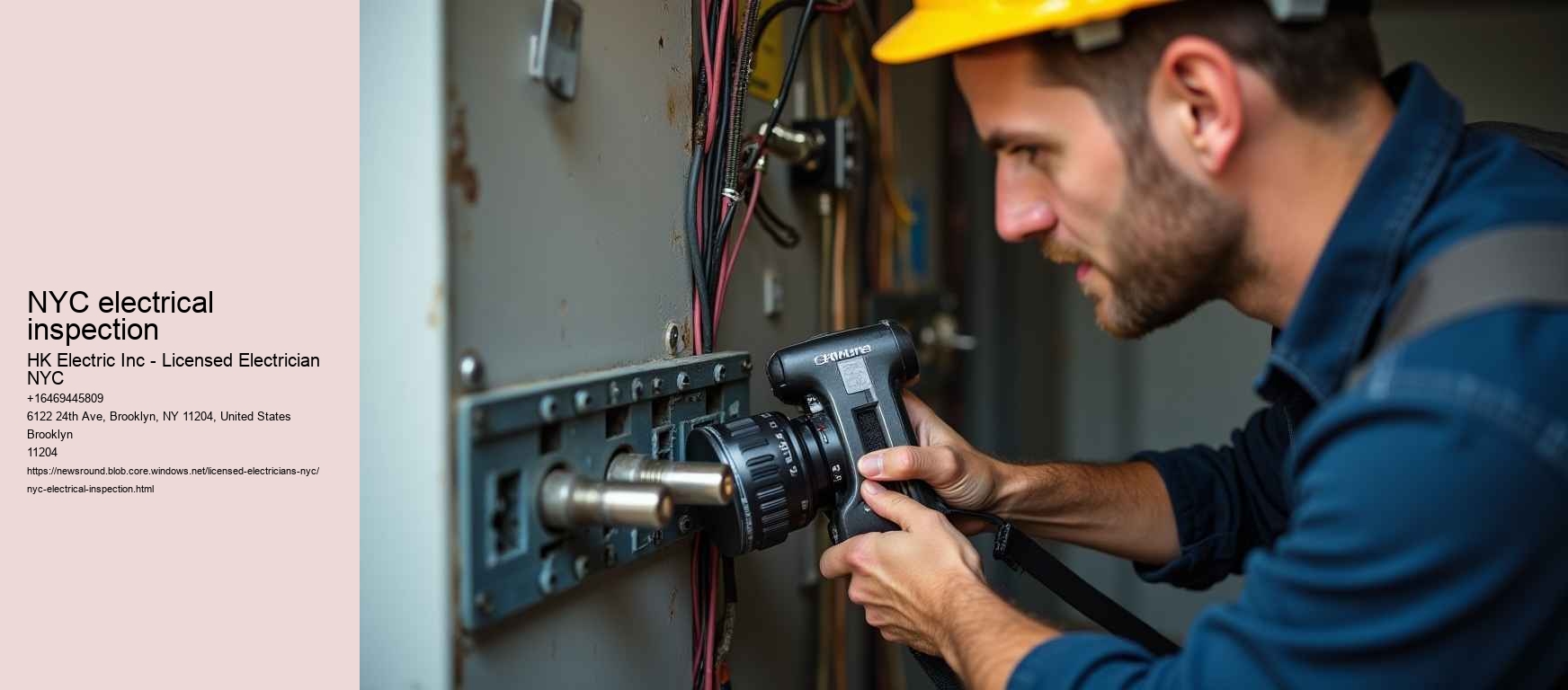
So, what exactly happens during an NYC electrical inspection? Well, a qualified inspector, someone who knows their way around wires, circuits, and codes, comes to your property. Theyll meticulously examine your electrical system, looking for things like overloaded circuits, frayed wiring, improper grounding, and any other potential issues that could pose a risk. Theyll check the condition of your outlets, switches, and lighting fixtures.
conduit
- residential
- power
- connections
Why is this so crucial in NYC? Well, consider the age and density of the citys buildings. load Many structures are decades, even centuries old, and their electrical systems may not be up to modern standards. Plus, with so many people living and working in close proximity, even a small electrical problem can have a significant impact. A faulty wire in one apartment could potentially affect an entire building, putting countless lives at risk.
Furthermore, the demands on our electrical systems are constantly increasing. Were plugging in more devices than ever before, from smartphones and laptops to high-powered appliances and electric vehicles. Without regular inspections and upgrades, aging electrical systems can easily become overwhelmed, leading to dangerous situations.
Passing an electrical inspection is more than just avoiding fines or penalties. Its about protecting yourself, your family, your neighbors, and your property. Its about ensuring that your electrical system is safe, reliable, and capable of meeting your current needs. Its also about maintaining the overall safety and well-being of the entire city.
So, next time you hear about NYC electrical inspections, dont just dismiss it as another tedious regulation. Recognize it for what it is: a critical component of keeping our city safe, powered, and functioning smoothly. Its a small investment that can pay off big time in peace of mind and, more importantly, in the safety and well-being of everyone in the city.